
MARTA LEE·Hamburg, Germany→Berlin
DJ and sound healing practitioner
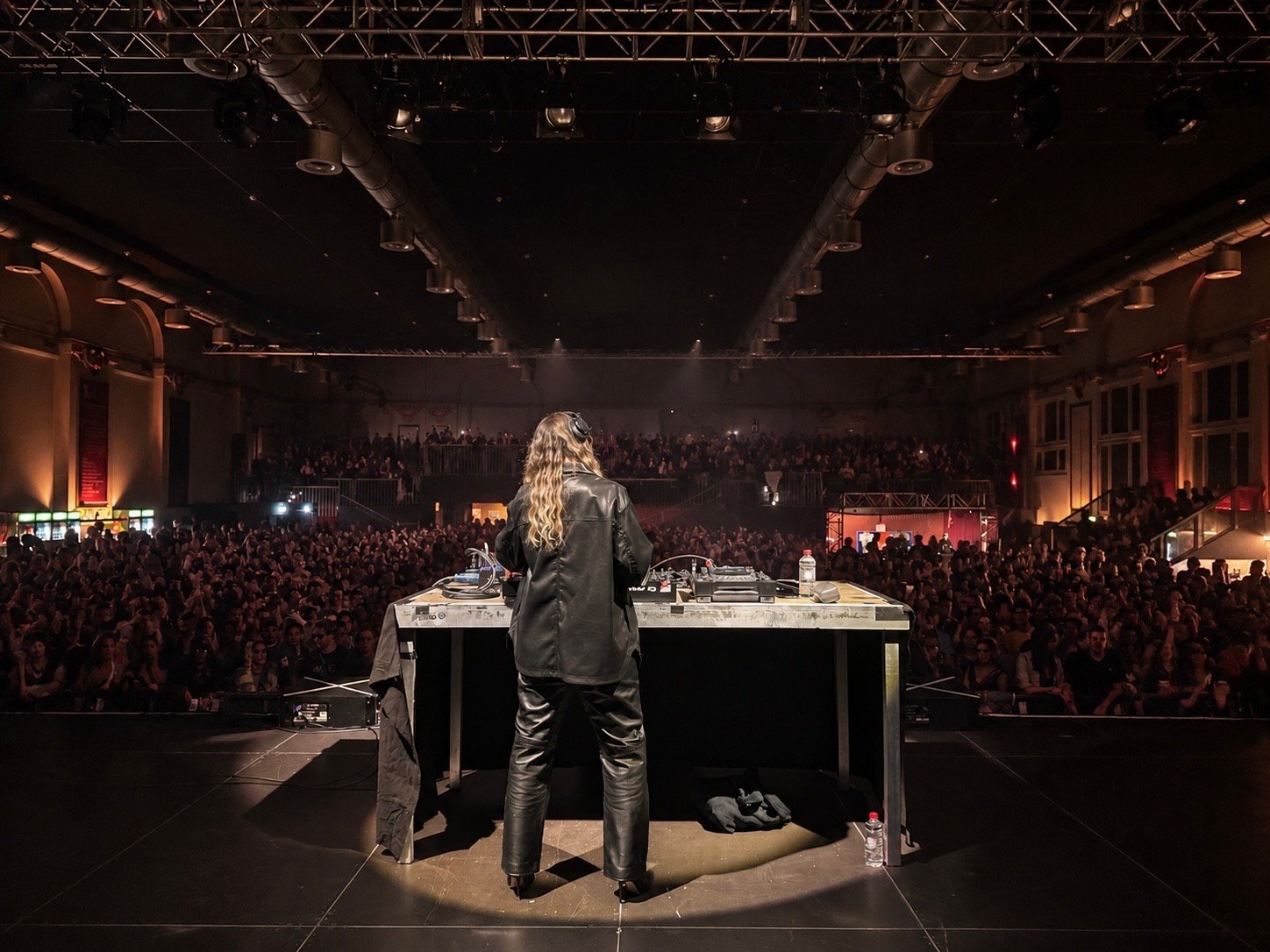

Last year, at a festival in Poland, MARTA LEE stepped into the booth in an oversized jacket she hadn't thought twice about. She hadn't prepared a single track. "I understood 100% who I was," she says. "I didn't care how I looked. And the best part: I delivered without preparing one set."
That isn't where she started.
For years she did it differently. She came up under a different artist name, with a more provocative image. "I can use my appeal," she says of that period. "I thought, I have to use it. Like a superpower." It worked. She played well-paid rooms across the world. Ibiza. New York. Miami. Istanbul. Big clubs, mostly hip-hop.
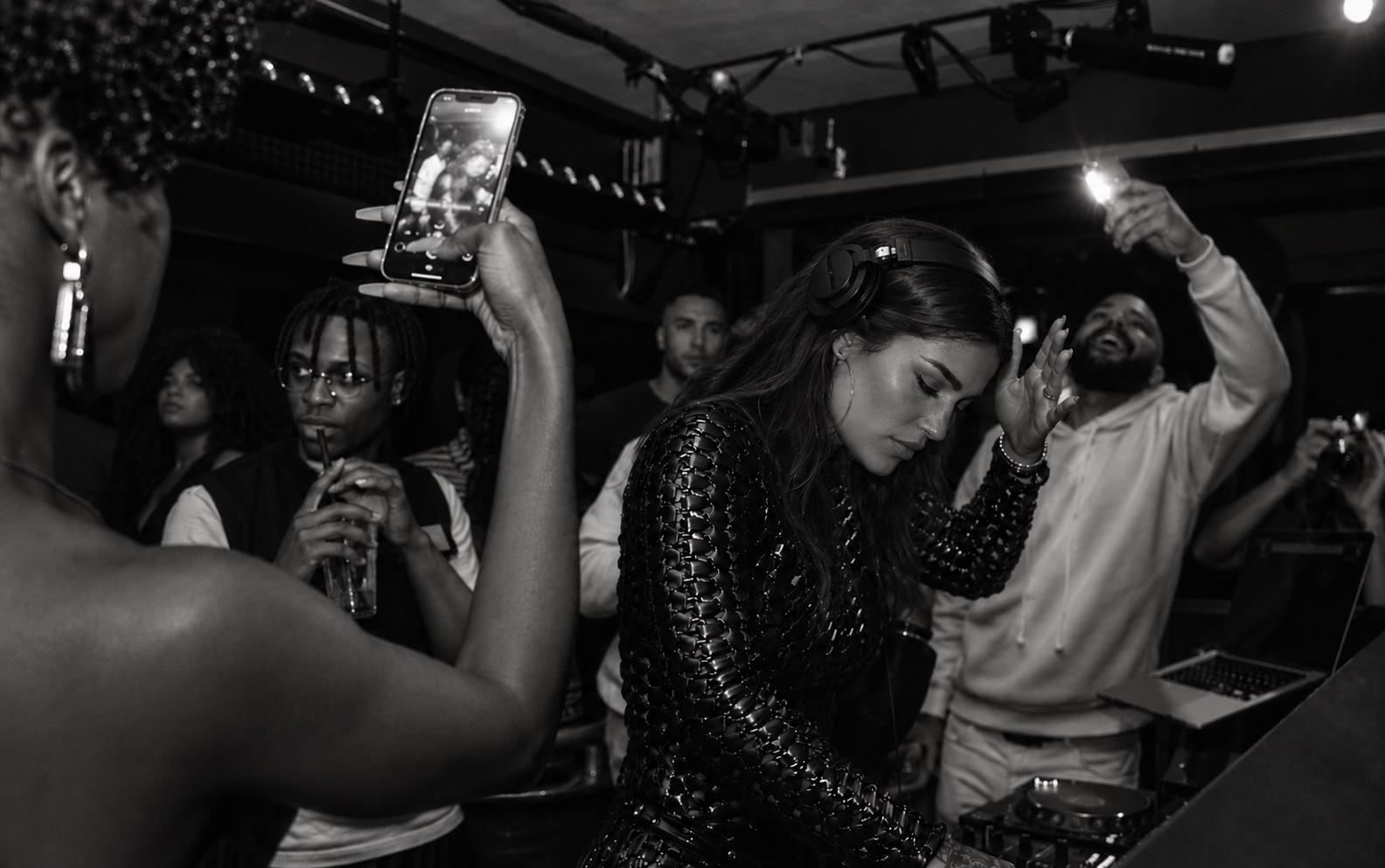

"For me it's always the selection first, and what kind of vibe you can create," she says. "Whether you can read people when you play, instead of just pushing your own thing the whole time."
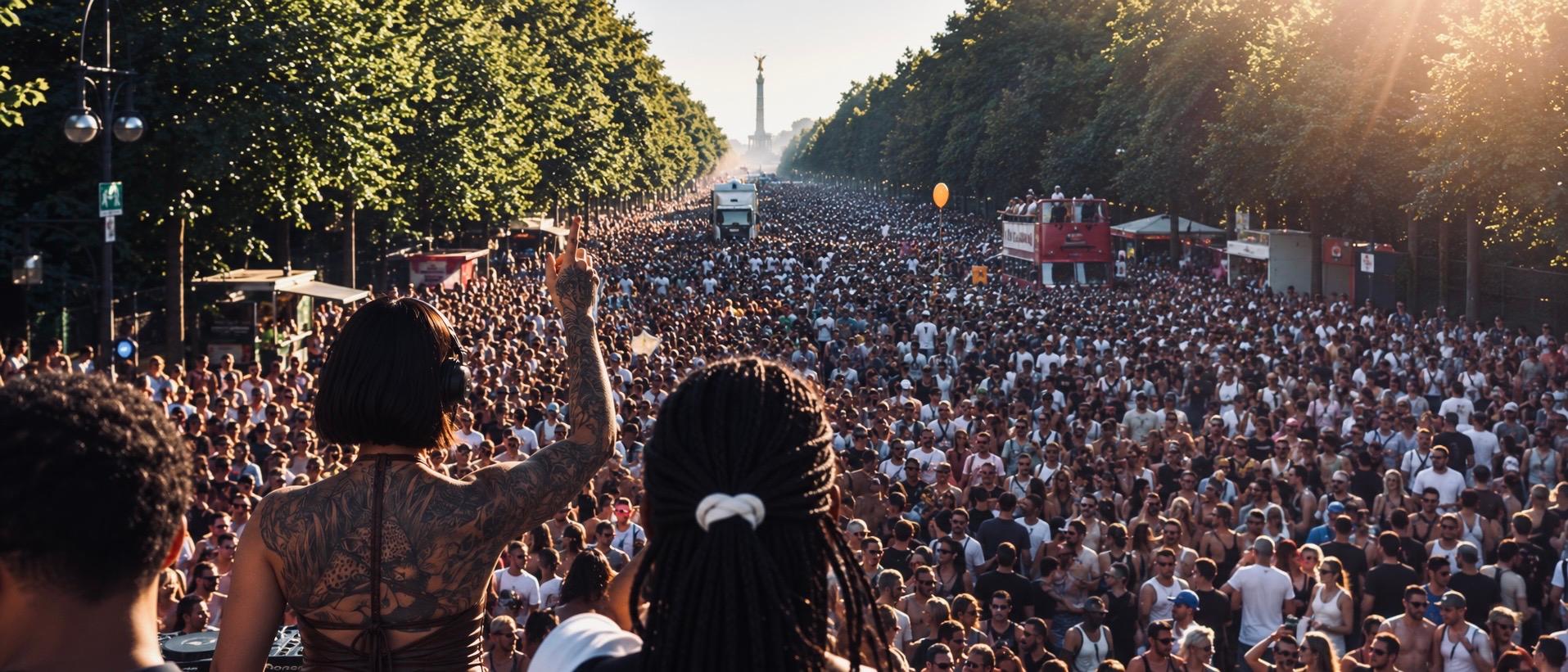

An ex who DJed introduced her to the club scene, from the dirtiest techno clubs to the hardest hip-hop rooms. The music was already her first language.
She'd grown up taping cassettes off the radio and copying the lyrics down by hand. Aaliyah, Tupac, Nas, DMX, Faith Evans, Total: 90s R&B and hip-hop. House and techno came later, in Berlin, where she's lived more than a decade. That's where she's heading deeper now. "I was always raving in parallel," she says. "I learned that here."
Then there's trap, which she'll defend to anyone. "People are so superficial about it," she says. "They think it's just a flow and some guys with their bling. But there's so much behind it." She studied the language and the codes.
“I don't want attention as a DJ. I want it through my music.”
— MARTA LEEThe shift to who she is now wasn't gradual. She can tell you exactly when it happened.
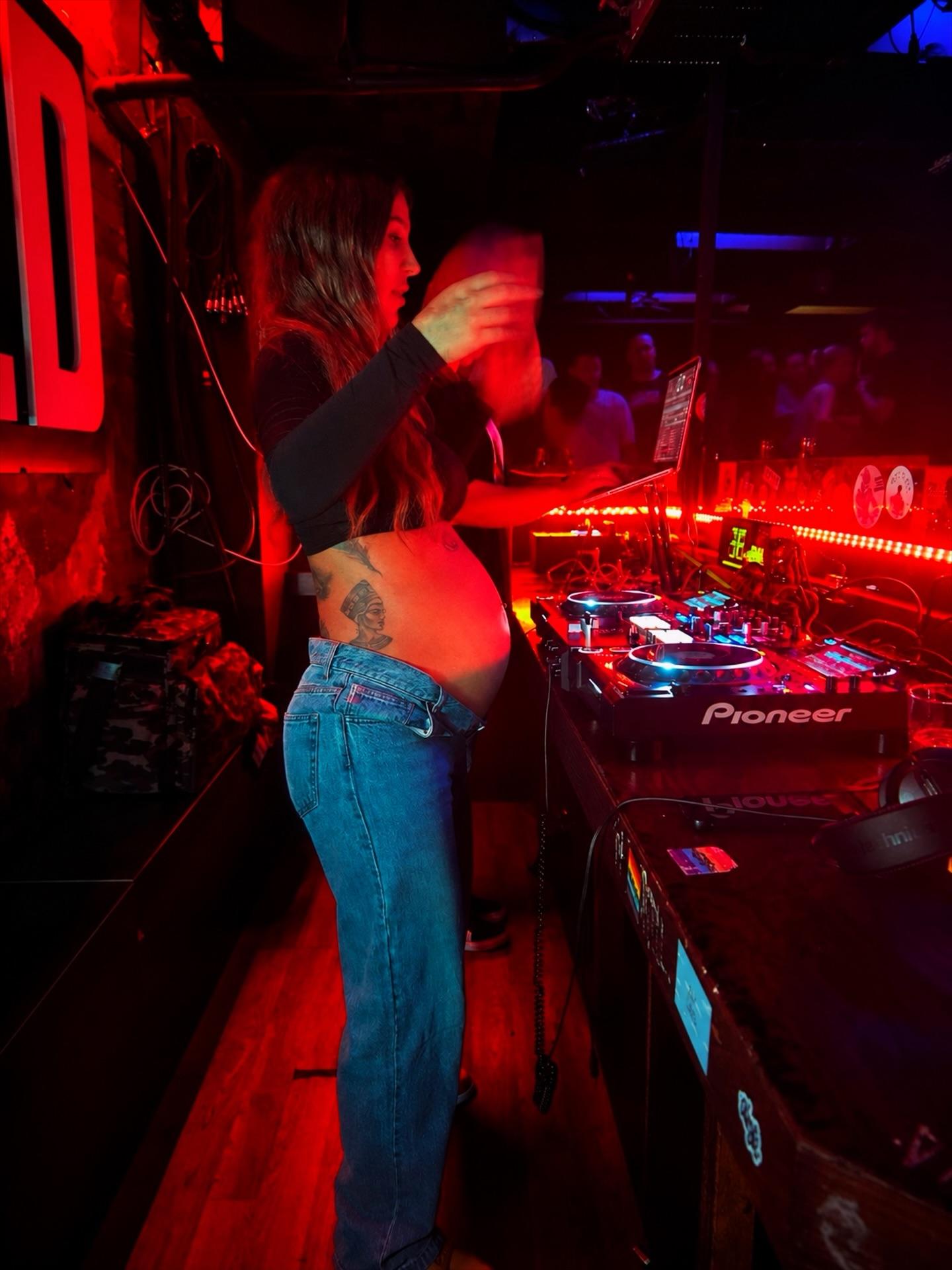

Pregnancy first. Sober for the first time in her adult life, no road to run to, no booth to stand behind. "You get put in front of your own truth," she says. The depression that came up wasn't new.
Some of that work had started earlier. Before COVID she'd gone through a Kambô ceremony. "I had a kind of enlightenment," she says, "and I got rid of my father complexes. I can't believe it myself." During pregnancy, she had to face those feelings sober.
"Since I became a mother, I'm 100% myself, without faking anything," she says. "Maybe it's not the most commercial direction. But I'd rather take a few steps back and do my own thing."
The first thing to go were certain bookings. "Promoters who want to tell you what to play," she says, "I can't take that anymore. Not on a soul level."
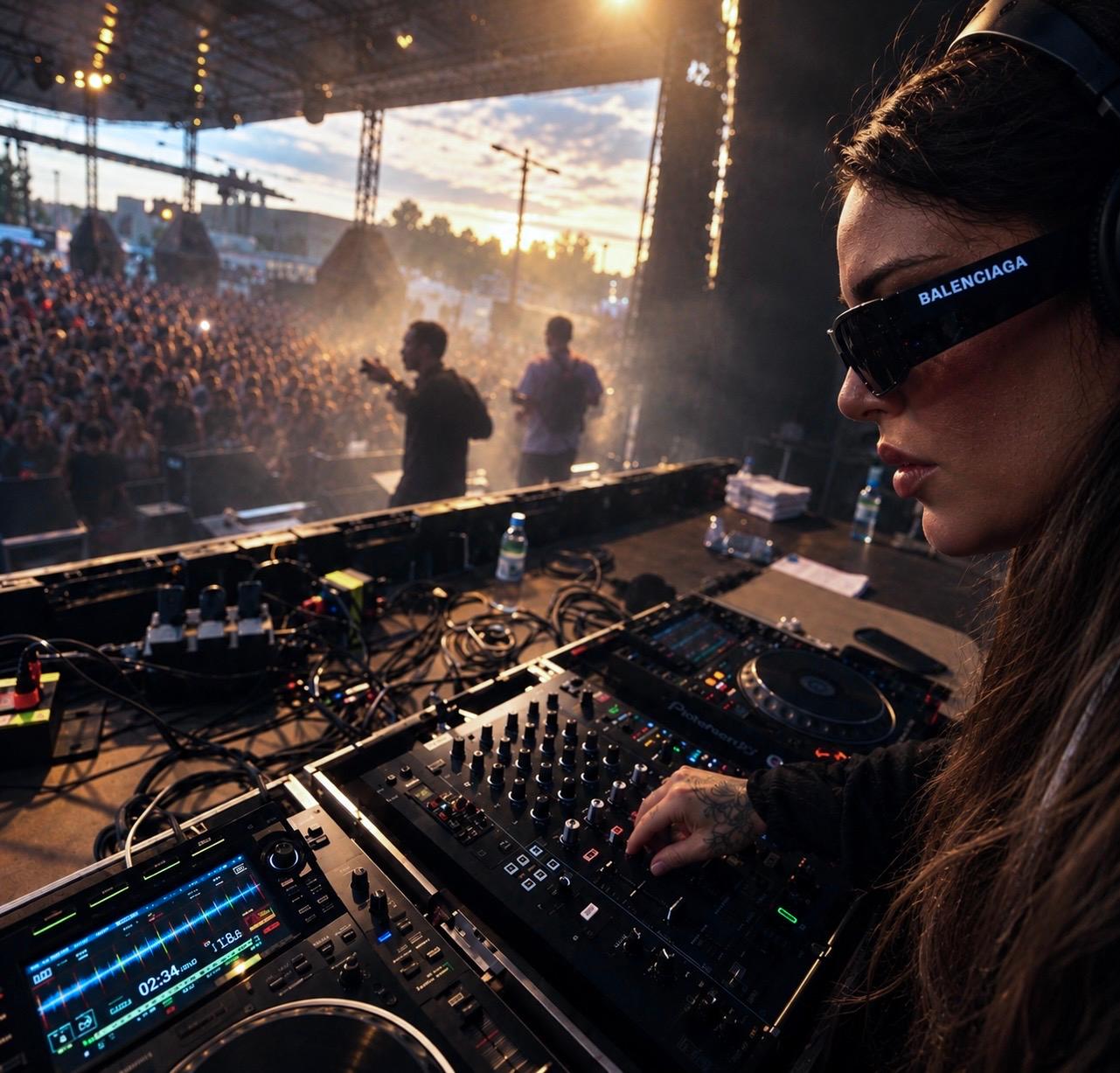

She's critical of the pressure on DJs to go viral. She watches DJs chase the viral moment, the Boiler Room set, the track engineered to go through the roof. "Who still puts out a song just because it's a great track," she says, "and doesn't care whether it goes viral, whether the big DJs play it, whether it's club-ready? That kills art. I'm sorry." She admits she used to want that too. Not anymore.
When she started in the booth, almost no women were in DJ rooms in Germany. "Really," she says. "Not many." Now there are thousands. She rode that early wave, and now she's the one in oversized clothes.
She's precise about why. "I have a sexual energy people read," she says. "Whether you have it or you don't. I do." For years she felt she had to use it. Now she uses it when she wants to.
The other practice runs alongside the DJing now. She's been hosting sound healing sessions for small groups, usually fifteen people or more, the decks for the opening track and then silence and then Tibetan singing bowls she carries from body to body. A poet whispers between movements.
She plans the ritual as carefully as a set. Sage first to clear the room. Palo santo. Ethereal oils through a steam lamp. Thai incense she rotates so the room never goes heavy. A specific female spiritual singer she trusts. She built the format backwards from a session a therapist once ran for her with a singing bowl on her stomach. "It brought me down for the first time in my life," she says. "I thought about nothing. I want to give that to other people."
In both settings, she wants promoters to understand what she does before booking her. "The promoter knows why he's booking me," she says. She ran the first one in Hamburg and brought it to Berlin last Friday, for seventeen people. Next, festival rooms. Then Ibiza.
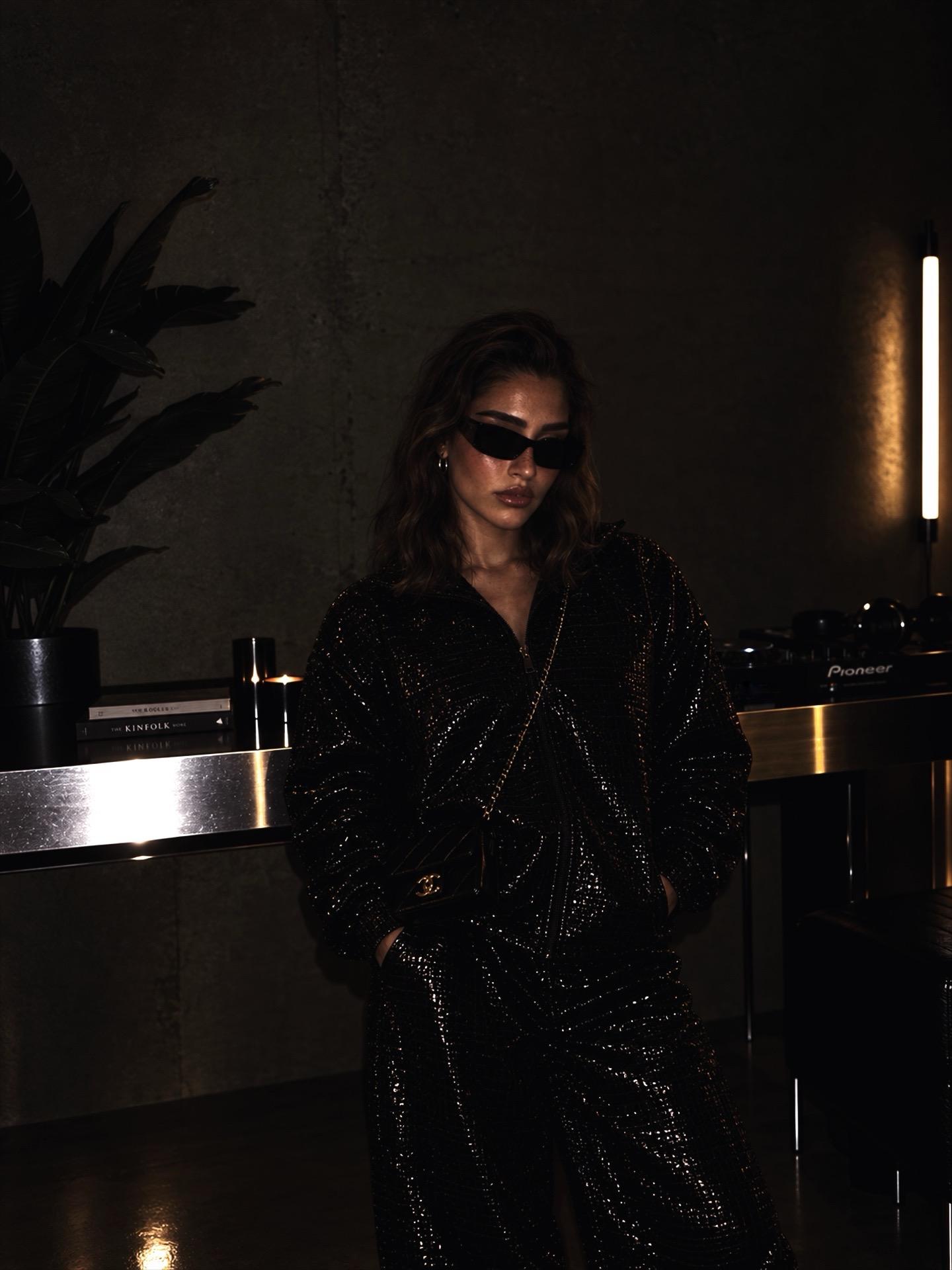

There's a book coming, she says. About her childhood and how she came out of it. "I had to learn for a long time how to talk about it," she says. "I had to be quiet my whole childhood."