
RAMA·France→Paris
DJ and Producer
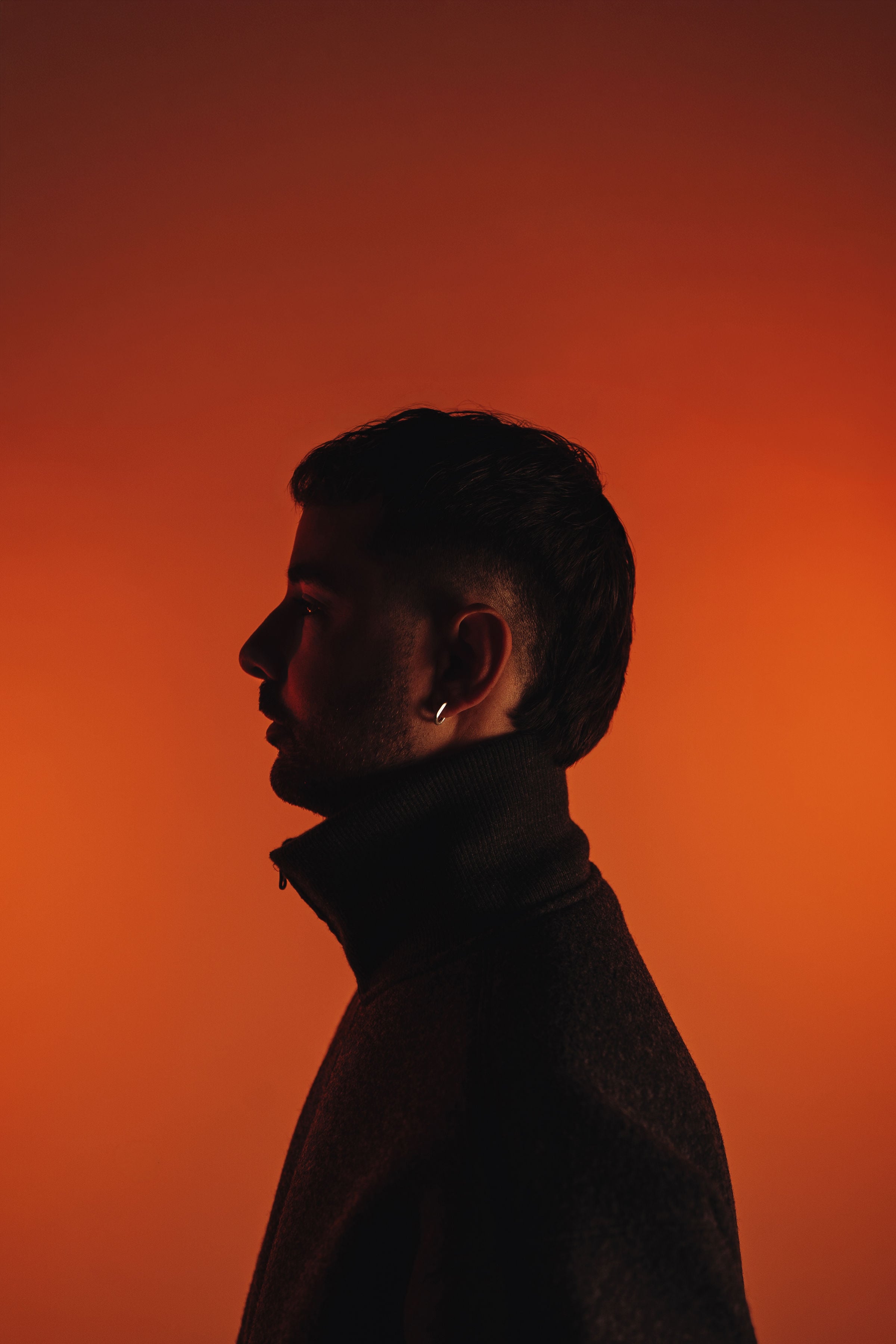

Fête de la Musique, Paris, 2024. RAMA had quit his job. He'd moved back from Tunis a few months earlier and given himself one year to make this work. He played ten minutes to a few thousand people, some of them dancing on the roofs of the cars around them. His left leg shook the whole time. "That was the best ten minutes I had," he says. "That was the moment I knew."
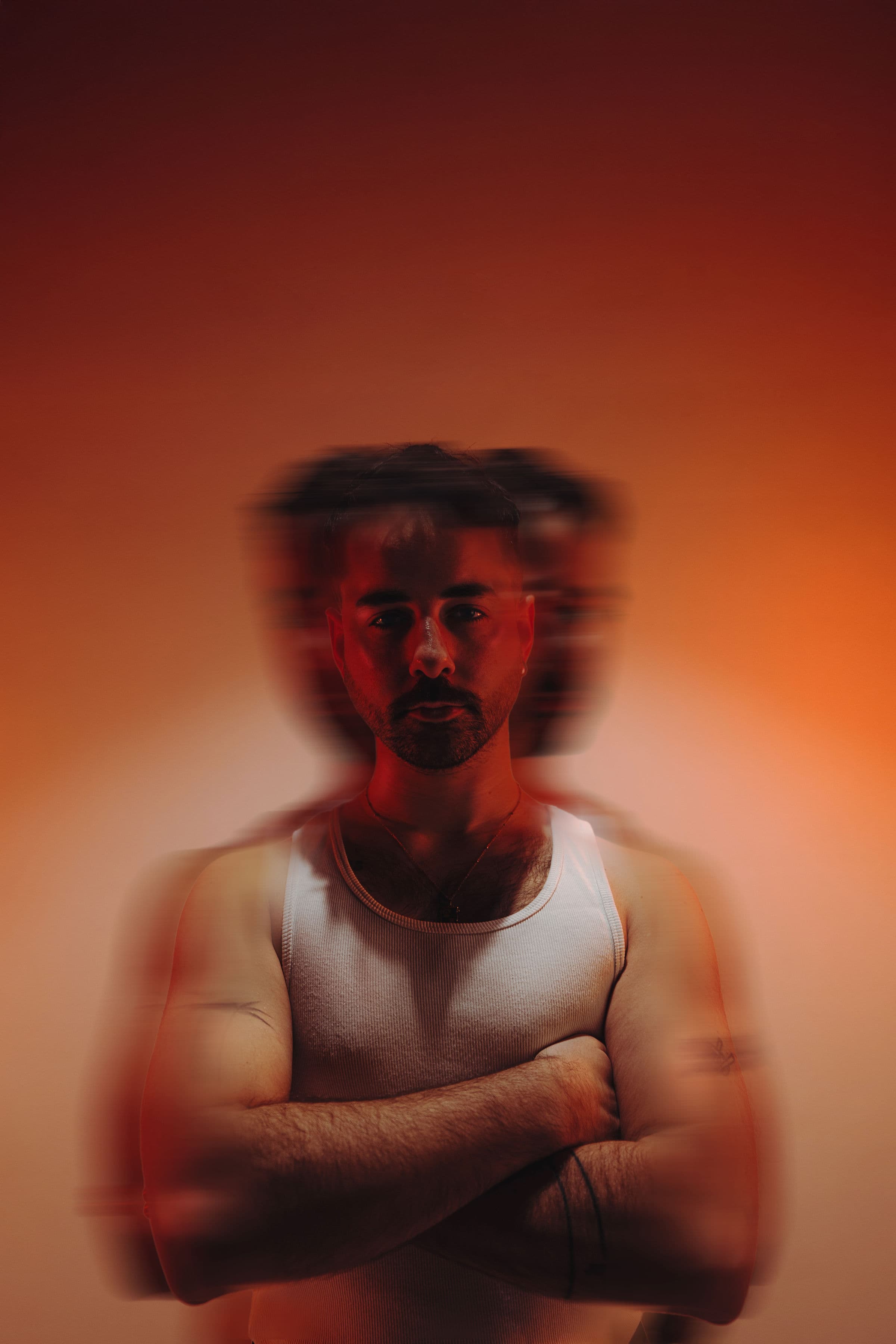

Before the decks, he was a customer relations director in Tunis. Five years of it, from 2019. The job his parents would have approved of. Good money. Not him.
"All my life I was looking for where I needed to be," he says. "Checkmarking what my parents wanted me to be."
The music started in the summer of 2022. He bought a Numark controller and mixed at home with friends. He was bad. He didn't care. A friend ran the parties with him until the friend moved back to France. RAMA kept going alone in Tunis, doing Twitch lives and posting early Instagram reels.
It wasn't strategy. "You just play the music you love, and that's you," he says. "I'm trying to come back to that."
“Music isn't just feelings. It also makes your identity.”
— RAMAThe deeper thread is older than the decks.
RAMA's mother died when he was born. She was Portuguese. He grew up in France without a way back to her side of the family or the culture she came from. "You're always feeling something is missing," he says.
He found a way in through the music. Batida first. The Lisbon sound that mixes Portuguese with Angolan and Cape Verdean rhythms. Then Funaná. Then Kuduro. Then Baile funk. The whole lusophone diaspora opened up to him from the music side first.
He's clear about the colonial weight underneath. "We know Portugal was not a good one." The music is the way he reads both sides of that history. The lineage was already his. He just had to claim it.
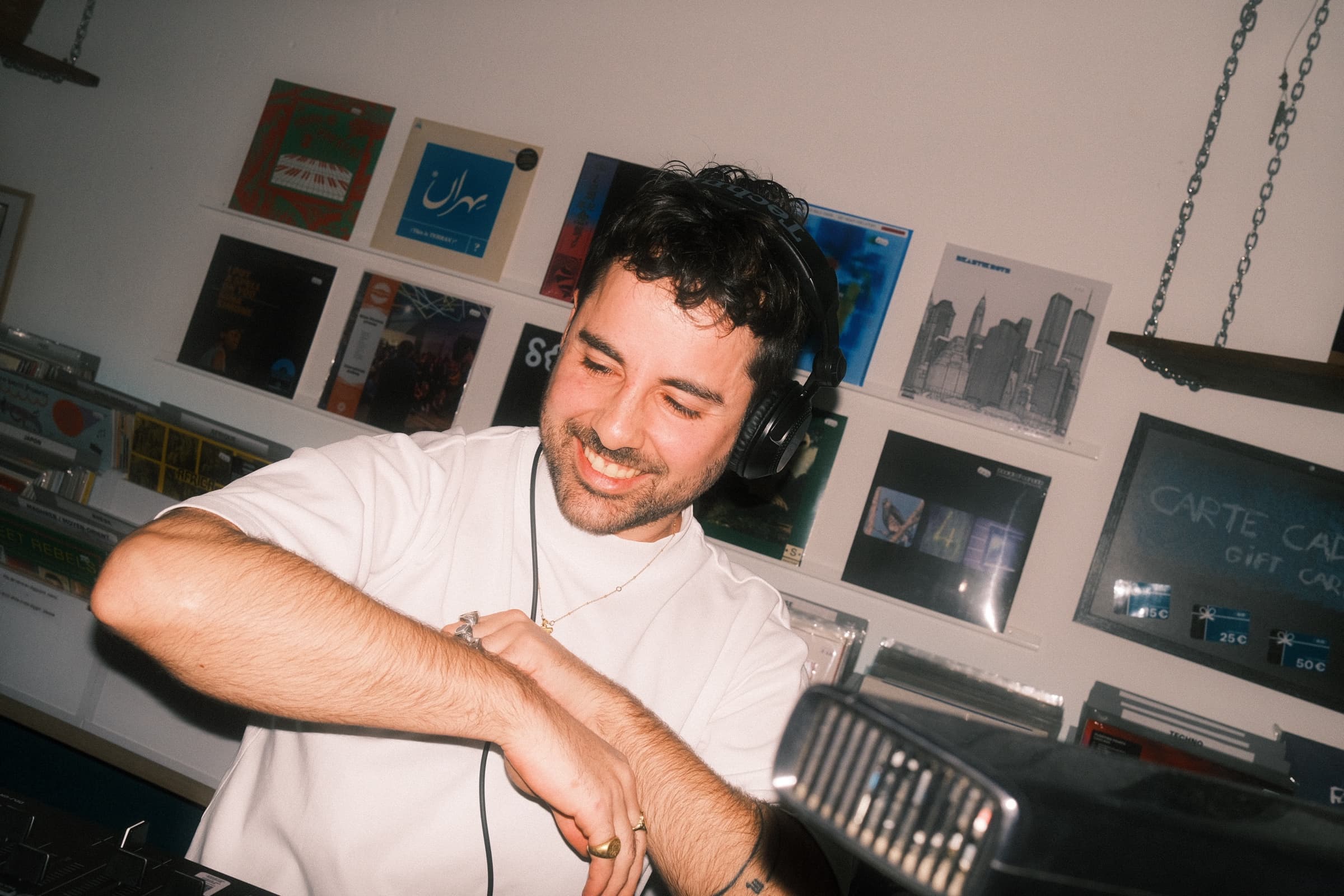

Tunis didn't have an Afro scene when he was learning. House and electronic ran the clubs. He and a few French friends threw their own parties to bring Afrobeats in.
Still in Tunis, he landed a feature on NRJ Radio Antilles, a French station, the first checkmark he set for himself. It was the first sign he could take this seriously and build a life around it, instead of staying in the comfort zone.
So he quit the job. He moved back to Paris and gave himself one year.
The first real gig was that Fête de la Musique set.
After Fête de la Musique he didn't slow down. He won a DJ battle at the start of 2025 by reading the room and doing the opposite of what everyone before him had done. They played Kendrick and pop. He came in with 130 BPM, edits-heavy, all the energy nobody else had touched. He won on contrast and on the technique he'd drilled at home.
Then Rinse FM, through an upcoming-DJ slot run by a host who'd heard about him after the battle. "In Paris the gatekeeping is hard to deal with," he says. "If I get more contacts one day, I'll pass them on." He's matter-of-fact about it. He doesn't pretend the door opens easy.
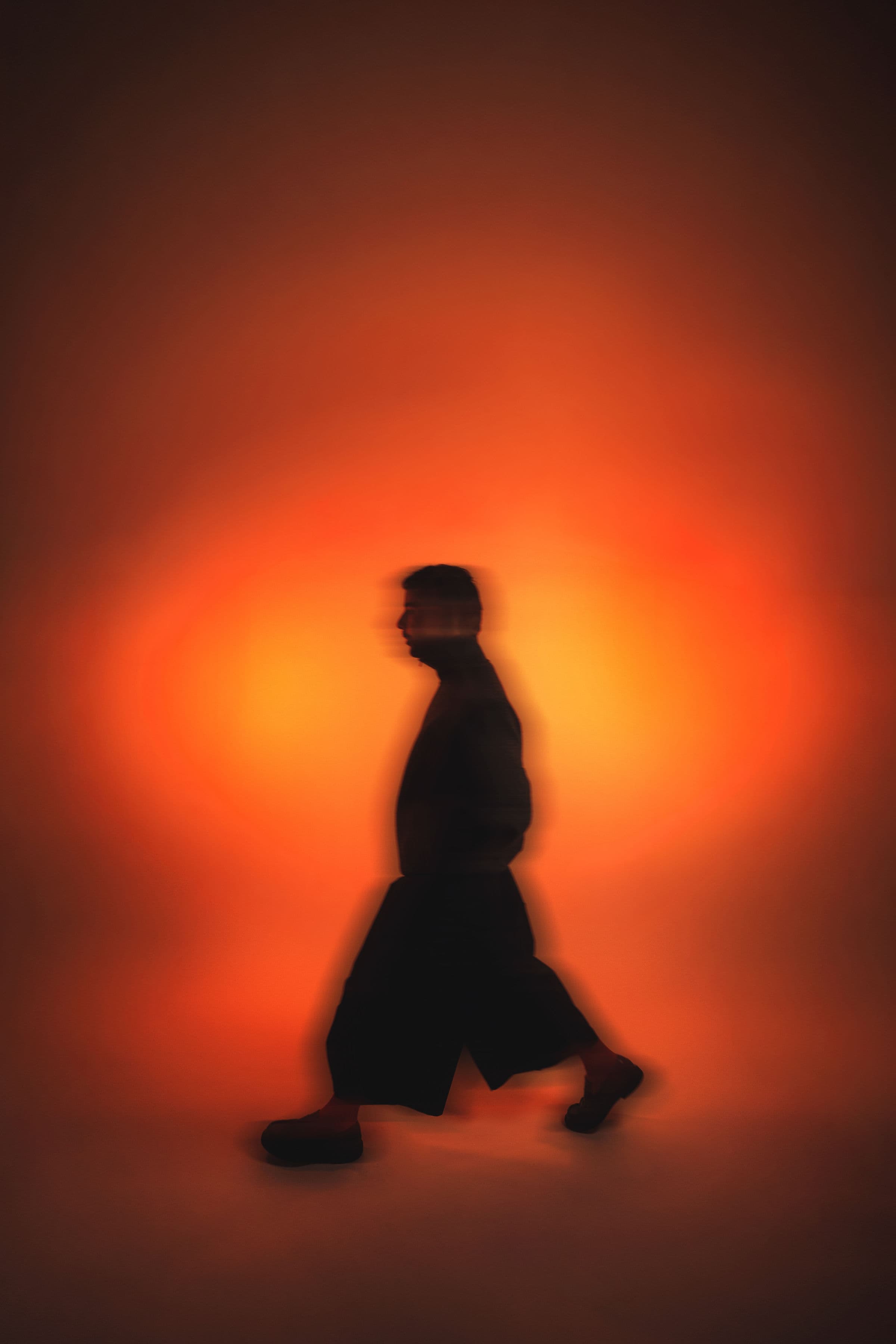

Fête de la Musique 2025 was the inverse of 2024. Six gigs in one day, 9am to 11pm, racing from one side of the city to the other. "I didn't enjoy. I didn't feel it."
So he cut back to five or six gigs a year, and only the ones he actually wants to play.
"It's hard, because you compare yourself to everyone," he says. "But the gigs they book me for, they book me for what I actually play. So I give it everything. I stay after the set is done, with the right people."
The "people who match" thread runs through everything else too. His DJ friend Eloïse. Artists Don Koff and Kor.L teaching him production. Another friend who keeps him steady. "Be surrounded with people who can level you up," he says. "That's the most important thing."
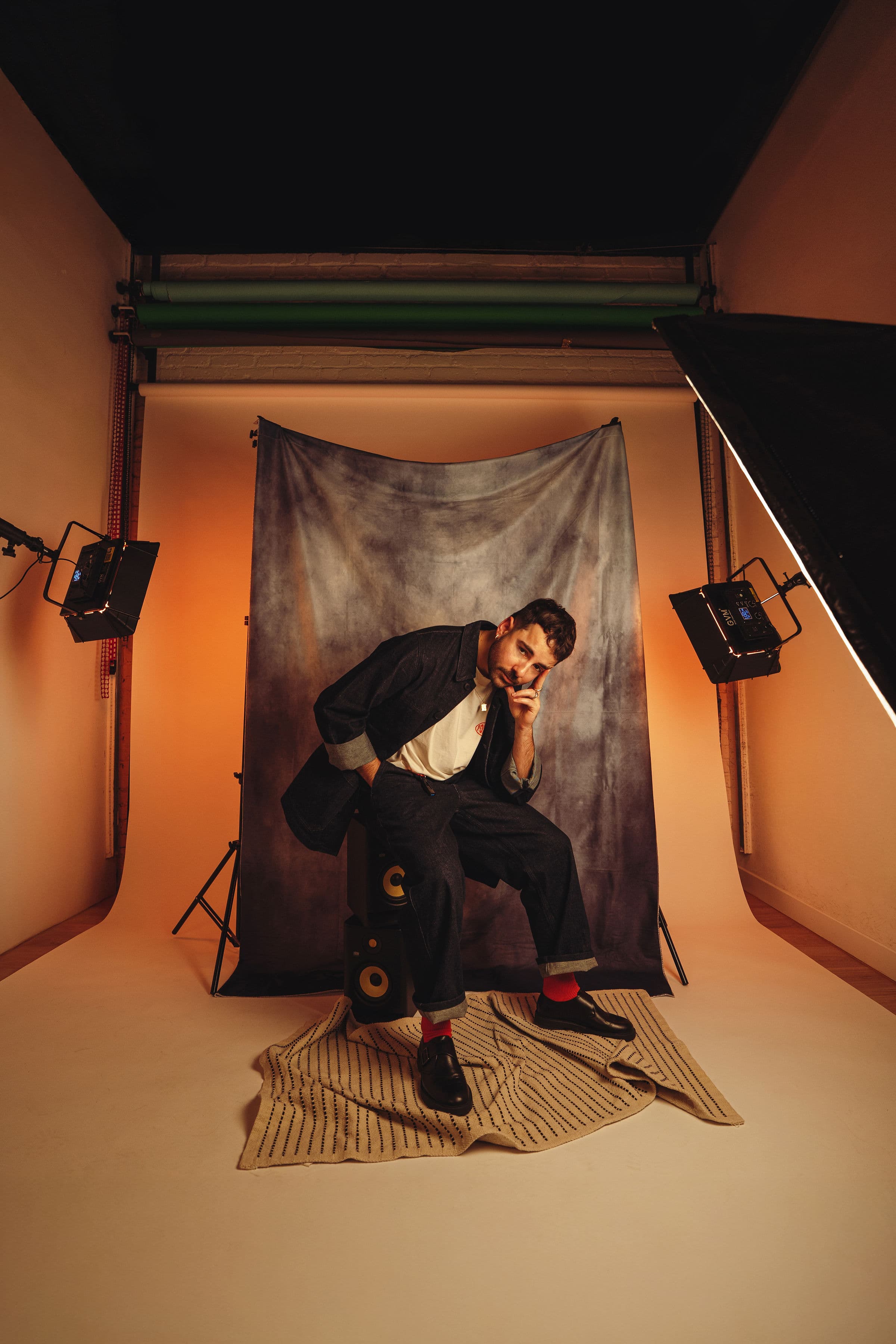

He's producing now, Baile funk and Batida first, with house behind that. He builds the tracks in Ableton from samples and VSTs. He's at the beginning again, and that's the part he likes.
The visual side runs parallel. Orange is his colour. He works with an artistic director on the videos and the look because he wanted his vision to land outside the music too. "I'm very human," he says. "I want to share the story behind why I'm mixing."
There's an older thread under all of it. RAMA danced from age eight to thirteen, until the family moved somewhere with no dance scene to plug into. He thought he'd come back to dance one day, not DJ. The body memory didn't go anywhere though.
Now the floor freestyles in front of him while he plays. "That's the most epic thing," he says.
The dancer is still in the room. The kid checkmarking what his parents wanted is gone.
Photography by @itis.isme.